Meditation I : Visio Divina, Photographia
Visio Divina, a practice of divine seeing, and photography, the art of capturing moments, are deeply intertwined in their essence and principles. Both realms converge at a point where the pursuit of beauty, meaning, and a deeper understanding of the world around us is paramount. In this meditation, we'll delve into how the principles of photographic composition mirror universal laws that exist in nature, demonstrating a profound connection between these two disciplines.
Visio Divina, a practice rooted in spiritual tradition, involves a contemplative gaze upon an image or scene, seeking a deeper connection and understanding. It's about seeing more than what meets the eye, discerning deeper meanings and messages. Photography, similarly, is not just about capturing what is visible but also about conveying emotions, stories, and underlying truths.
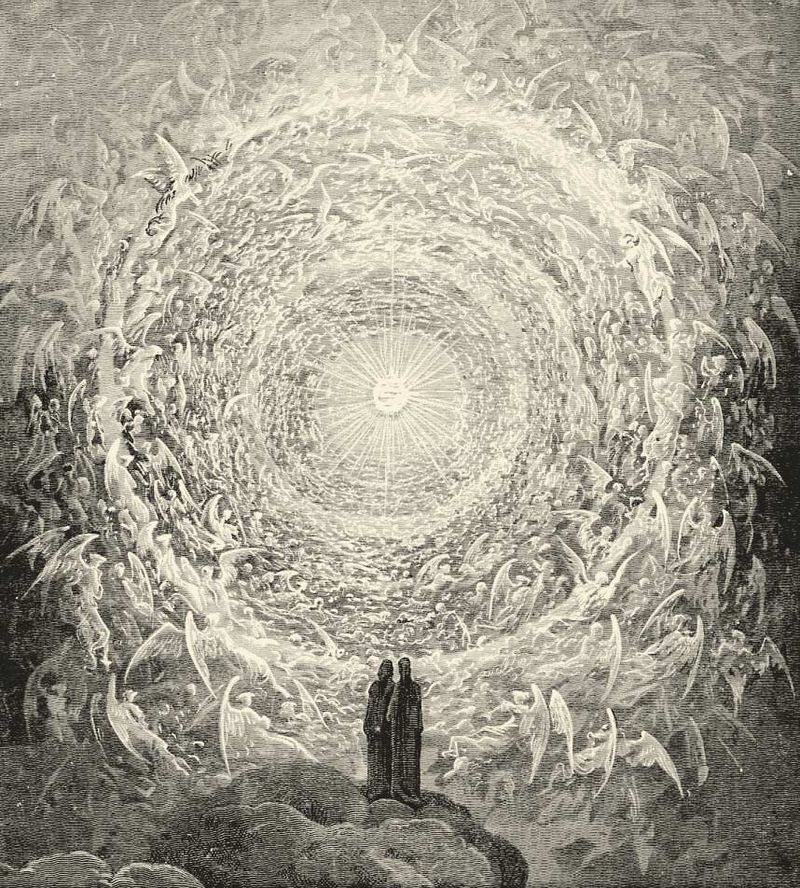
Dante Alighieri, The Divine Comedy's Empyrean, illustrated by Gustave Doré. Empyreal or Empyrean Heaven was the place in the highest heaven (an early understanding of the planets pre-Scientific Revolution) that was said to be the home of the element of fire. It is said to be the source of "light" and the dwelling place of God.
Understanding the Interlink
Philosophical Underpinnings
Mindfulness and Presence
- Visio Divina: Involves a meditative, mindful approach to viewing an image or scene, encouraging a deep engagement with the present moment.
- Photography: The act of taking a photograph also requires a heightened sense of awareness and presence, as the photographer must be fully attuned to their surroundings and the subject.
The Practice of Intention and Purpose
- Visio Divina: Is driven by the intention to see beyond the surface, to find deeper meanings and messages.
- Photography: A photographer often captures images with a purpose, whether to tell a story, evoke emotions, or convey a particular perspective.
Spiritual and Emotional Resonance
Establishing a connection with the Divine
- Visio Divina: Traditionally, this practice is about seeking a connection with the divine, finding spiritual insights in visual experiences.
- Photography: Can also be a spiritual journey, as capturing the beauty and intricacy of the world can be an act of acknowledging and celebrating a higher power or the interconnection of all things.
Emotional Catharsis
- Visio Divina: The contemplative aspect of Visio Divina can lead to emotional healing and catharsis, as it allows for personal reflections and insights.
- Photography: Similarly, can be therapeutic, providing an outlet for expressing emotions and processing experiences.
The Art of Seeing
Perception and Interpretation
- Visio Divina: It encourages looking beyond the literal, opening up multiple layers of interpretation and meaning.
- Photography similarly, is subjective; the way a scene is captured and presented can vary greatly based on the photographer’s perspective and interpretation.
The Universal Language
- Visio Divina: Engages with imagery as a universal language, transcending verbal and cultural barriers.
- Photography: Also communicates through this universal language, conveying messages and emotions that words often cannot.
Practical Application in Modern Life
Mindful Photography
Combining the principles of Visio Divina with photography involves approaching photography as a meditative practice. This could mean spending time contemplating a scene before capturing it, focusing on the emotions and thoughts it evokes. Example: A photographer might spend time in a natural setting, absorbing the atmosphere, and only then choosing to capture the scene that most resonates with their inner experience.
Reflection on Photographic works
The practice of sharing photographs and discussing the insights or emotions they evoke can be a form of modern Visio Divina. This encourages a deeper understanding of both the image and the photographer's perspective . Exhibitions that focus on the narrative and emotional impact of images, encouraging viewers to share their interpretations and feelings.
The Laws of Photographic Composition and Nature’s Parallels
The Rule of Thirds and the Golden Ratio
Photography: The Rule of Thirds is a fundamental principle in photographic composition, where an image is divided into nine equal parts with two equally spaced horizontal lines and two equally spaced vertical lines. The subject of the photograph is placed at one of the intersections of these lines, creating balance and interest.
Nature's Parallel: This aligns with the Golden Ratio, a mathematical ratio frequently found in nature, exemplified in the spirals of seashells or the arrangement of leaves on a stem. It's a pattern of growth and design that's both efficient and aesthetically pleasing.
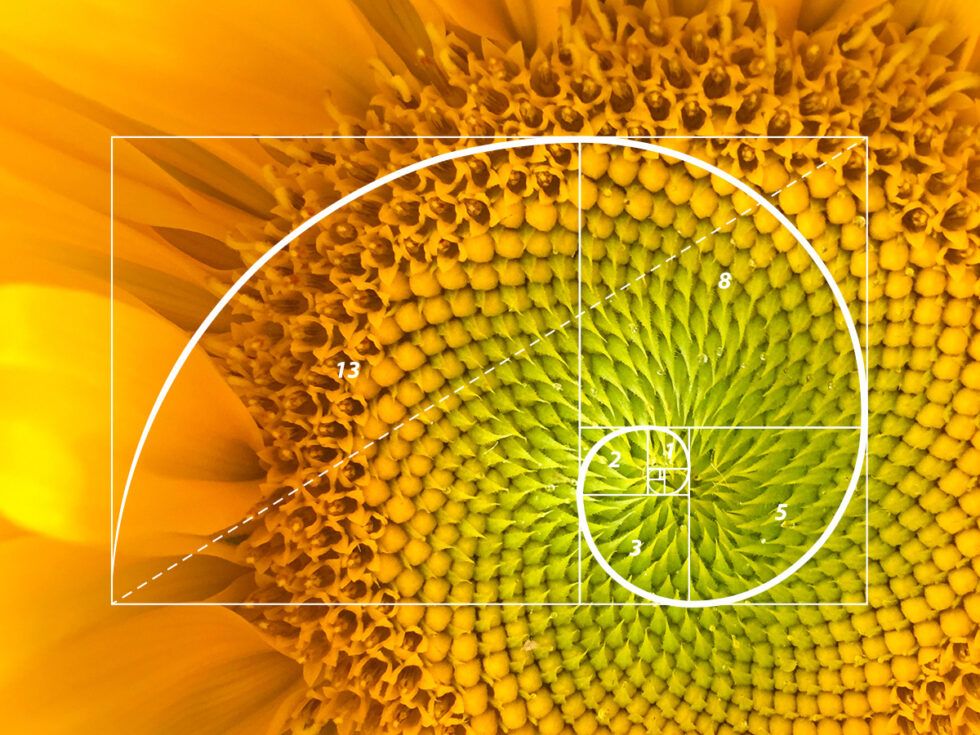
The Golden Ratio overlayed on a Sunflower
Balance and Symmetry
Photography: Balance in photography is achieved when elements within the frame provide an equilibrium, whether symmetrical or asymmetrical, leading to a pleasing and harmonious composition.
Nature's Parallel: Nature often exhibits symmetry, such as in the wings of a butterfly or the petals of a flower, symbolizing stability and order.
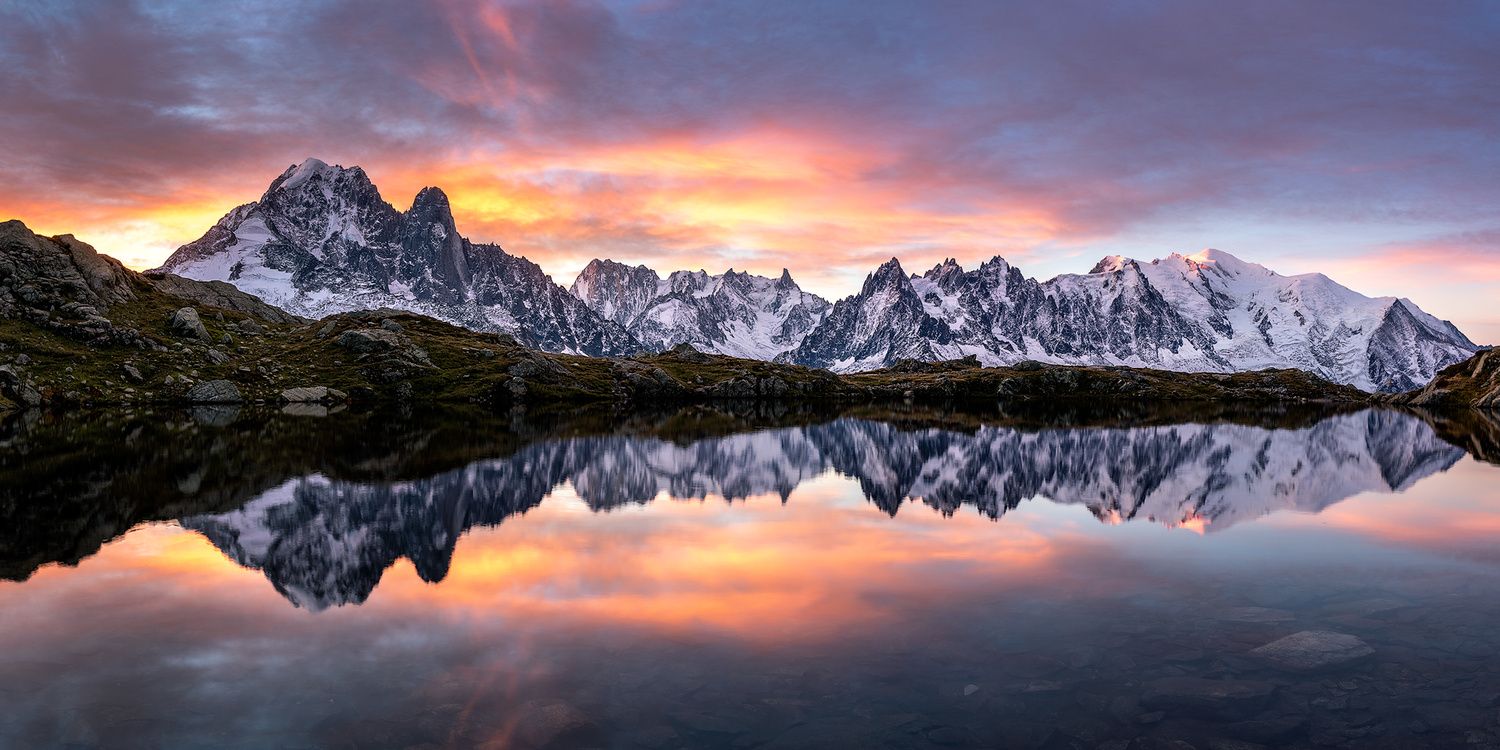
Pano shot of Mont Blanc Ridge reflected in Lac de Cheserys. by Stefan Condik
Leading Lines and Natural Paths
Photography: Leading lines guide the viewer's eye through the photograph, often leading to the main subject. These lines can be straight, curved, diagonal, or even zigzag.
Nature's Parallel: In nature, leading lines are seen in river courses, tree branches, or the way a trail of ants moves. They direct movement and growth.
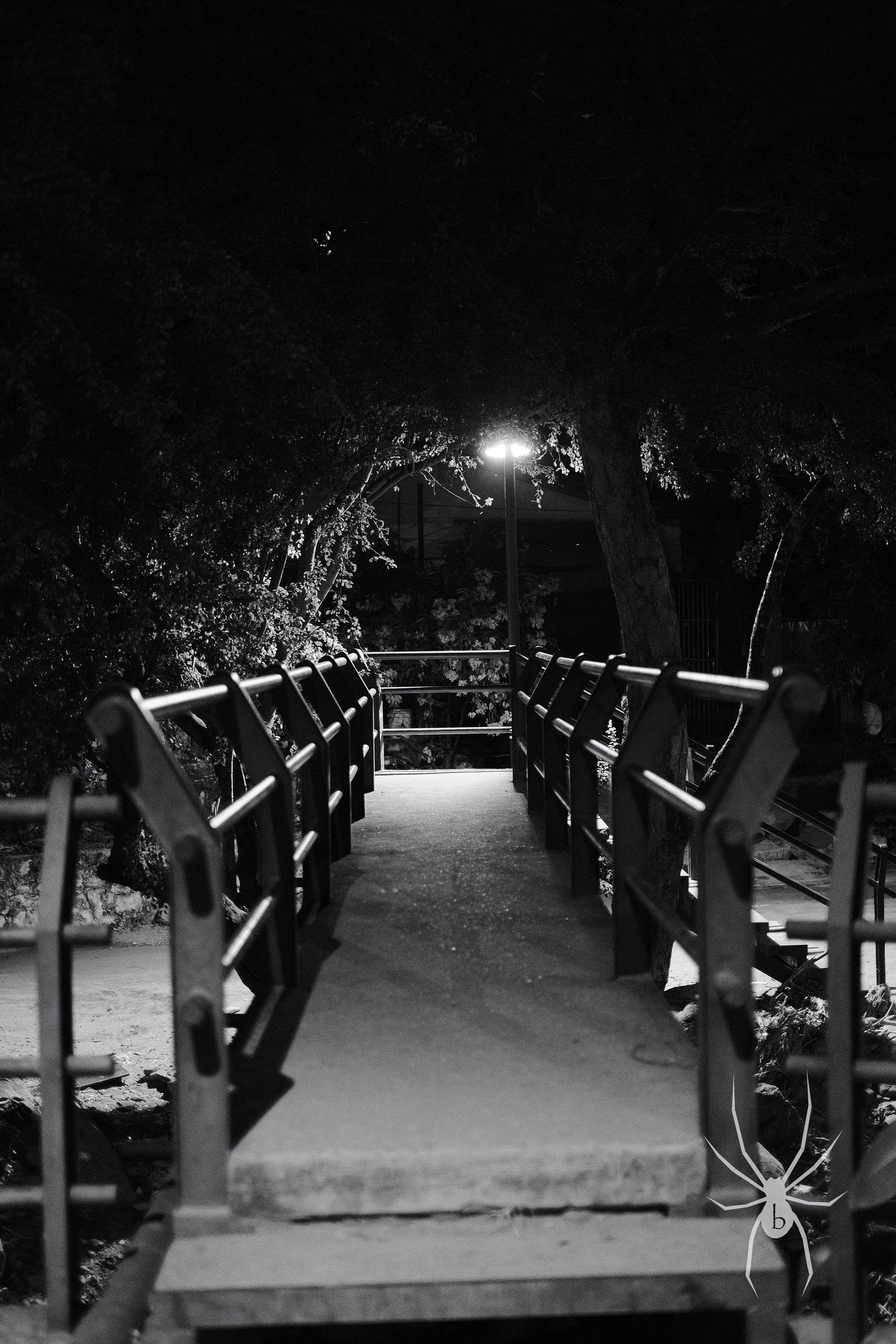
Bridge in Puerto Vallarta, Mexico
Framing and Natural Enclosures
Photography: Framing involves using natural or artificial borders within the image to focus attention on the primary subject.
Nature's Parallel: Nature provides frames through elements like tree branches arching over a path or a cave opening framing a scenic view.
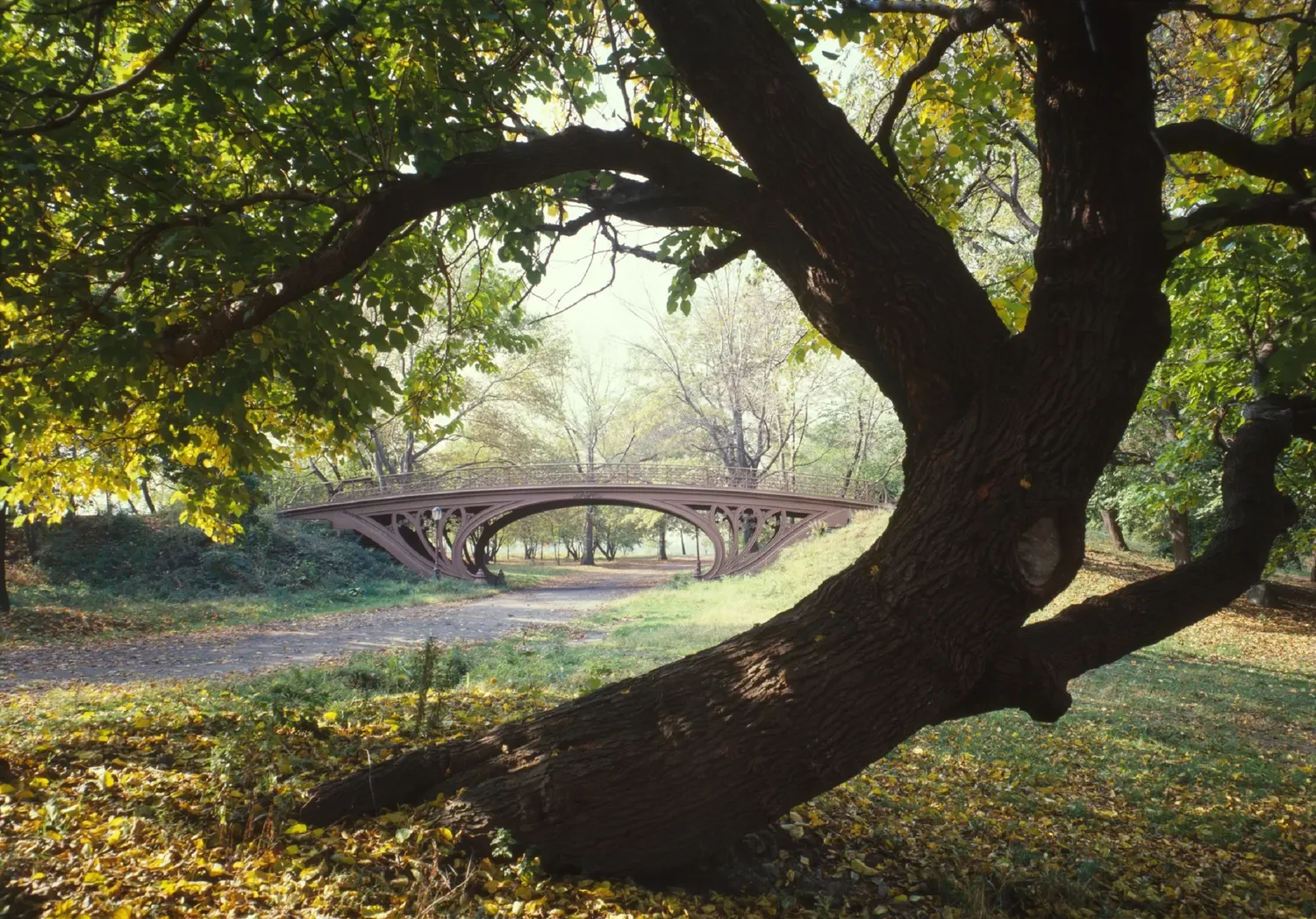
Bridge framed by a tree's branches
Patterns and Repetition
Photography: The use of repeating patterns can create visually appealing images, giving a sense of rhythm and consistency.
Nature's Parallel: Nature is replete with patterns, from the stripes on a zebra to the fractal patterns in snowflakes.

Footprints
Texture and Layers
Photography: Textures in photography provide a sense of depth and tangibility, while layers can add complexity and dimension to an image.
Nature's Parallel: Layers in nature are seen in rock formations, tree rings, and cloud patterns, each layer telling a story of time and process.
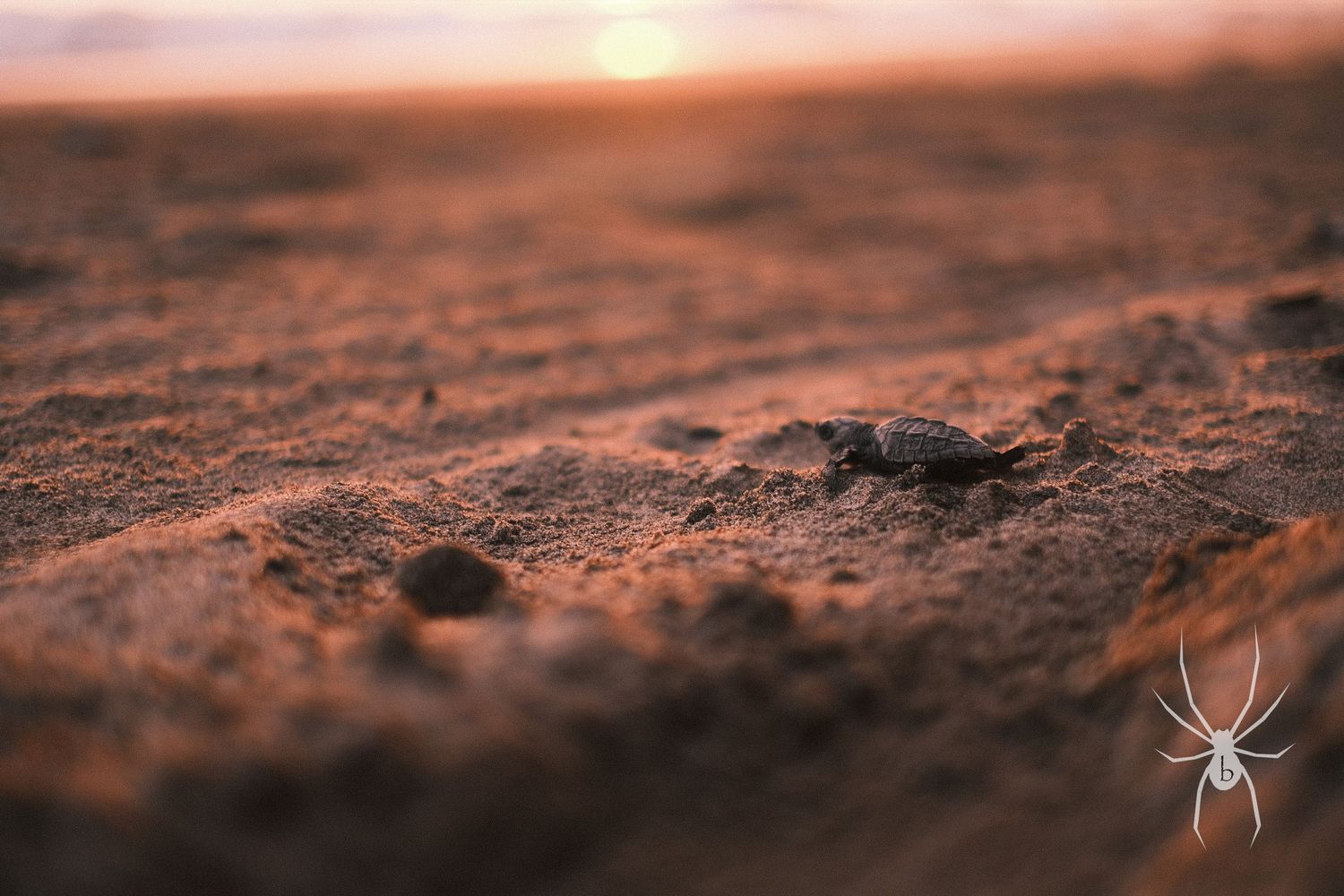
Baby Loggerhead Turtle heading out to sea during sunset.
Conclusion
It is essential to delve deeper into the philosophical and spiritual dimensions that tie these two practices together. Photography, in its essence, is more than a technical or artistic endeavor; it is a medium for exploration, discovery, and expression. Similarly, Visio Divina transcends its roots in spiritual tradition to become a method of introspection and connection with the world. This synergy is where their profound interlink lies. The interlink is profound and multifaceted, rooted in the shared principles of mindfulness, intentionality, emotional resonance, and the art of seeing. By combining the contemplative practice of Visio Divina with the expressive power of photography, one can embark on a journey that is both spiritually enriching and creatively fulfilling. This combination not only enhances the practice of each but also opens up new avenues for knowing thyself.
Visio Divina and photography are not just about observing; they are about perceiving and understanding. The laws of photographic composition are not arbitrary; they resonate with the patterns and designs inherent in nature. These parallels not only enhance the aesthetics of a photograph but also imbue it with a deeper, almost spiritual significance. In practising Visio Divina through the lens of a camera, one can achieve a profound appreciation of the world, recognising the interconnection and universal beauty that permeates all things.
Exercise One
- Pick out any image that follows a law of photographic composition.
- Look at the image and let your eyes stay with the very first thing that you see. Keep your attention on that one part of the image that first catches your eye. Try to keep your eyes from wandering to other parts of the picture. Breathe deeply and let yourself gaze at that part of the image for a minute or so.
- Now, let your eyes gaze at the whole image. Take your time and look at every part of the photograph. See it all. Reflect on the image for a minute or so.
- Consider the following questions:
- What emotions does this image evoke in you?
- What does the image stir up in you, bring forth in you?
- Does this image lead you into an attitude of prayer or meditation? If so, let these prayers take form in you. Write them down if you desire.
Now, offer your prayers to God or whatever you consider the embodiment of the divine to be in a final time of silence.
So mote it be.🌹


